Environment
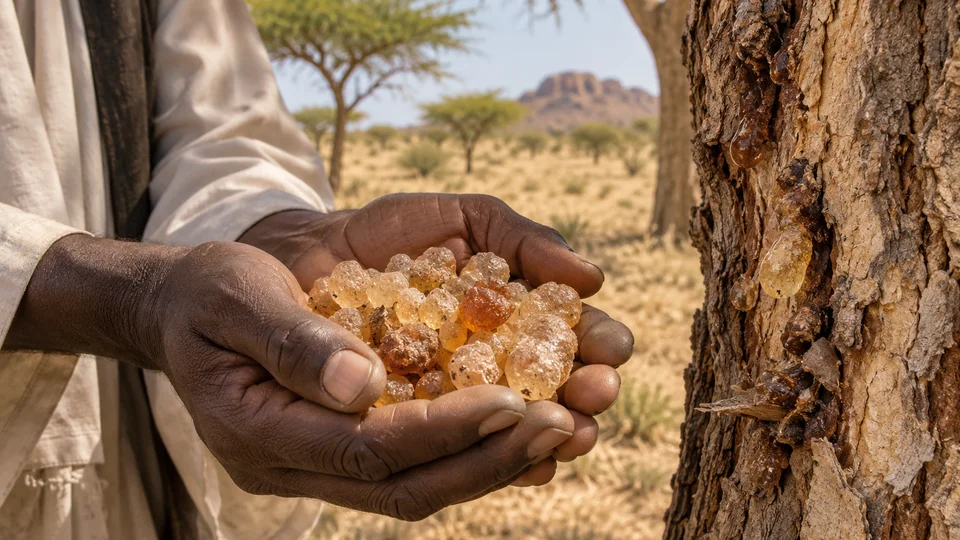
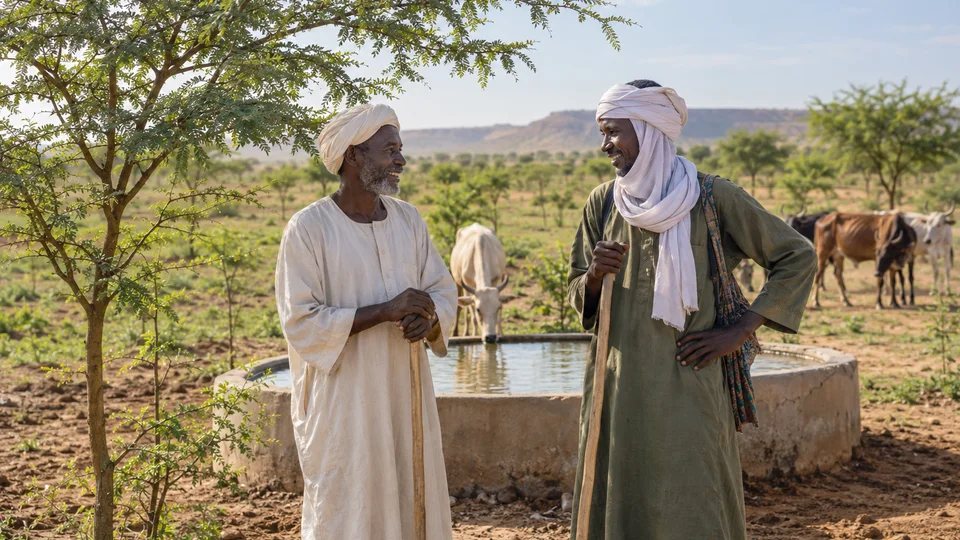
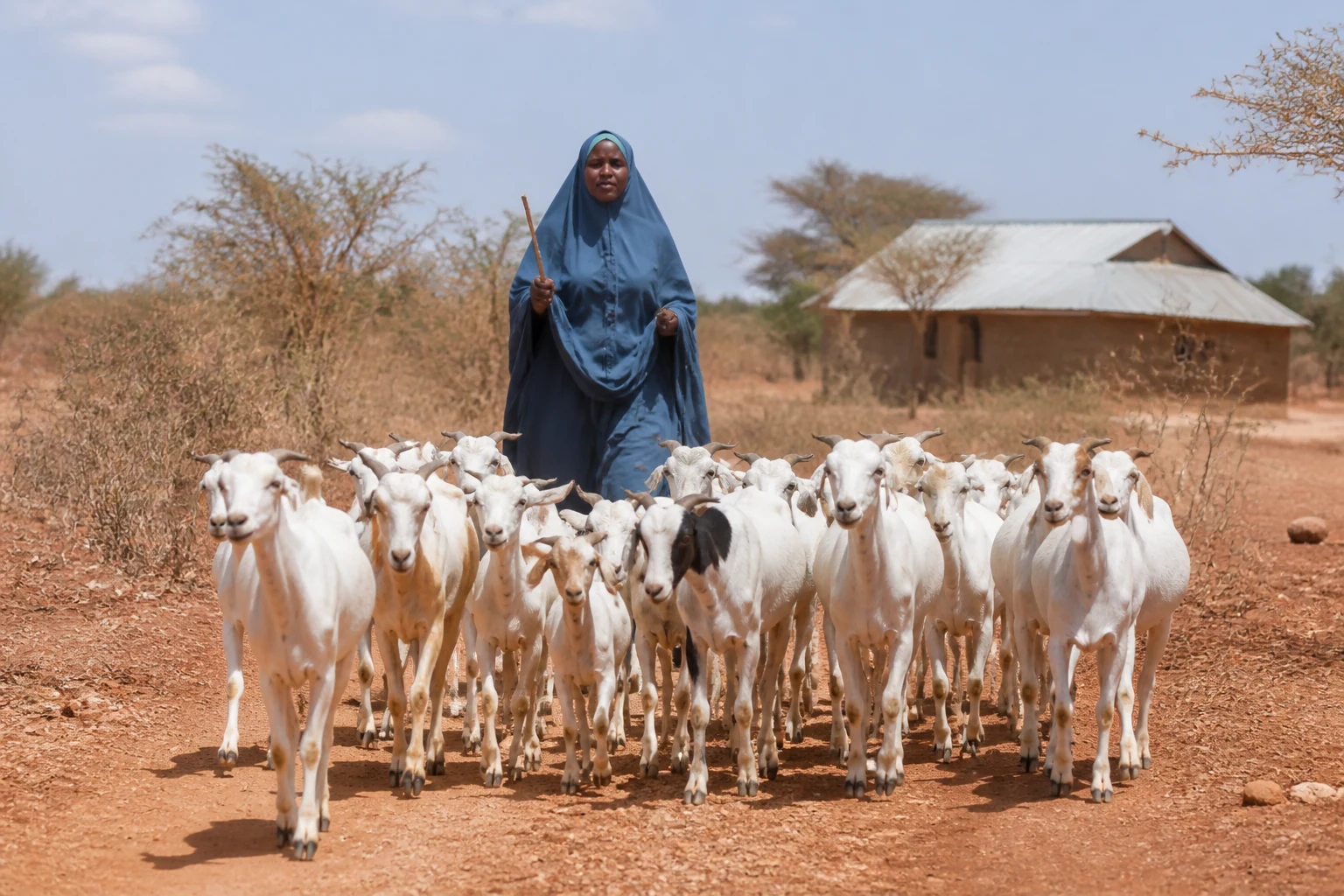
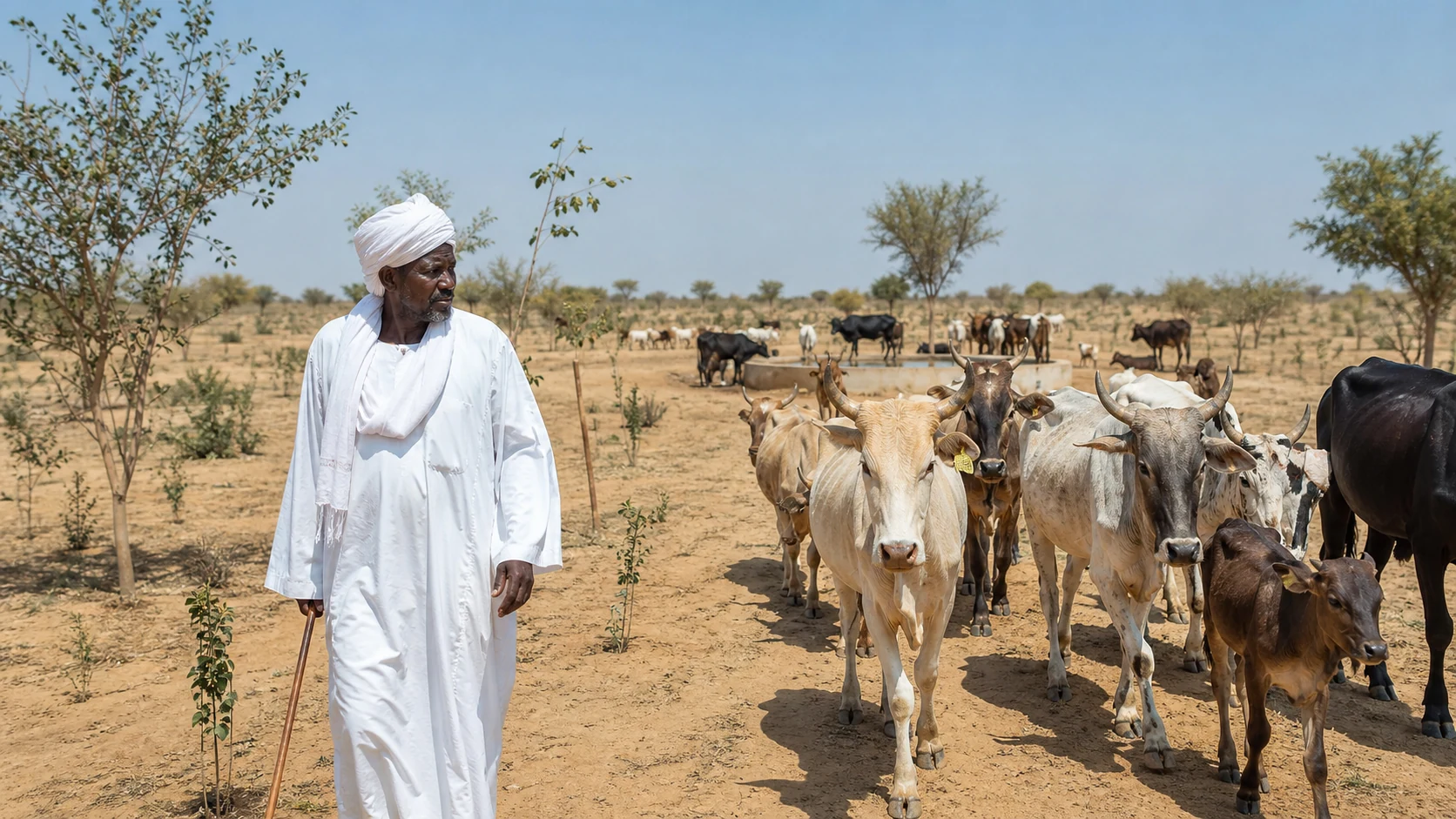
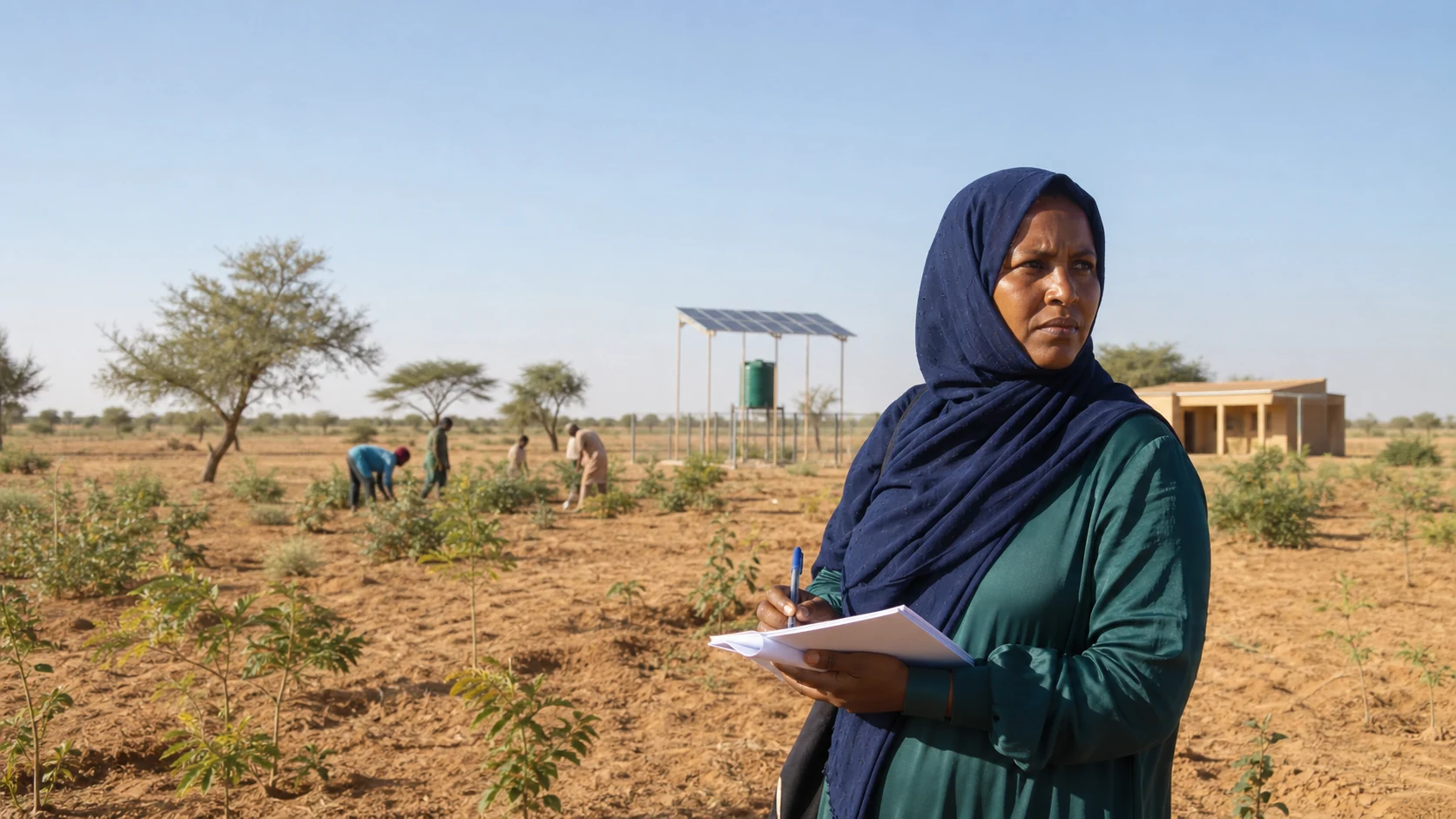
Reforestation and agroforestry with native species, land restoration and soil conservation — reversing degradation across the landscapes that livelihoods depend on.
Africa Recovery Initiative
A civil society initiative that supports conflict-affected communities through practical recovery programs — strengthening local institutions, linking the restoration of ecological balance with the provision of vital services, and empowering communities to lead their own recovery.
Civil society initiative · Integrated recovery · Sudan · Somalia · Chad
What We Do
ARI does not treat recovery as a set of parallel tracks. Environmental stabilisation protects livelihoods, which sustains community engagement, which strengthens institutions, which improves service delivery.
Read the approach
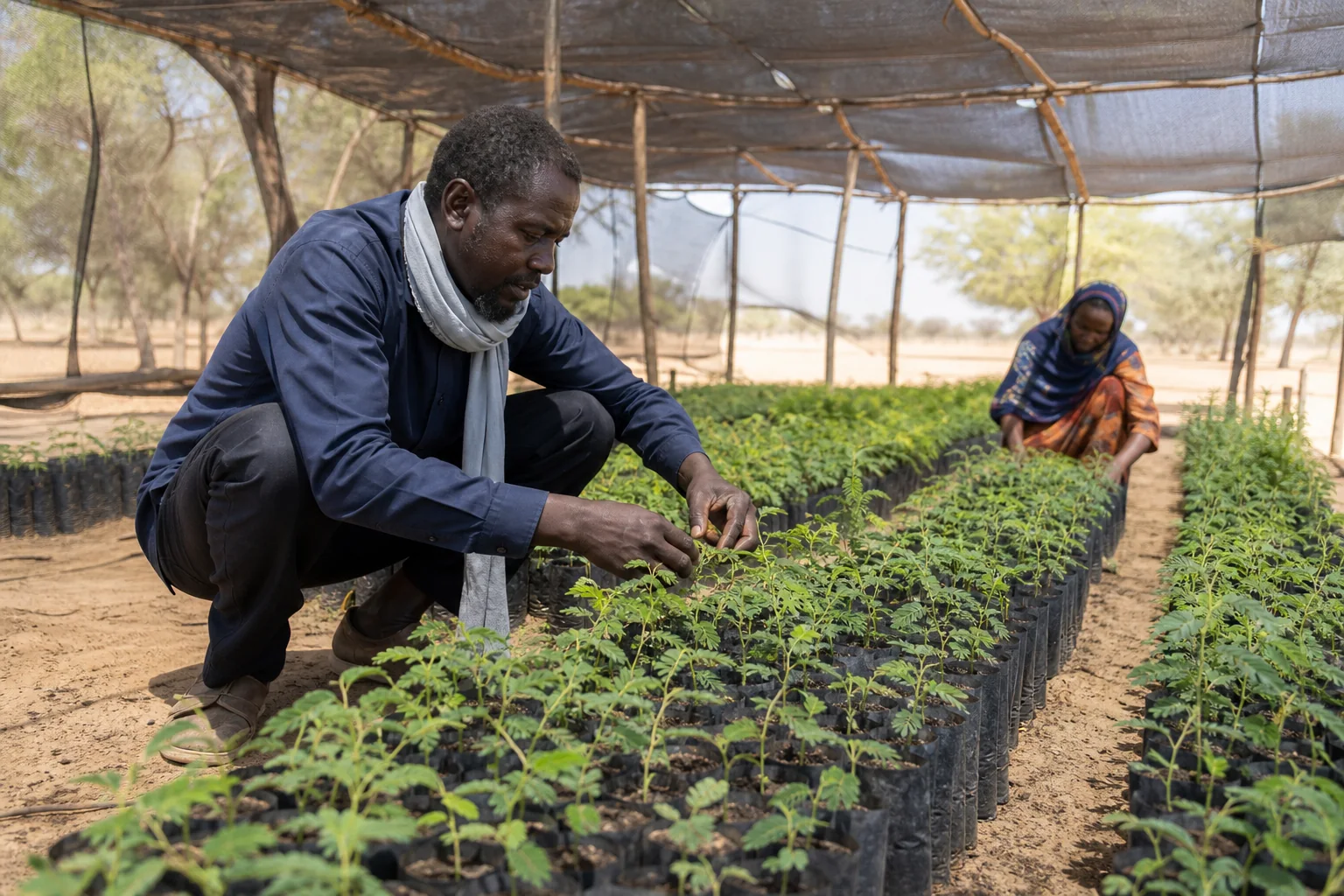
Reforestation and agroforestry with native species, land restoration and soil conservation — reversing degradation across the landscapes that livelihoods depend on.
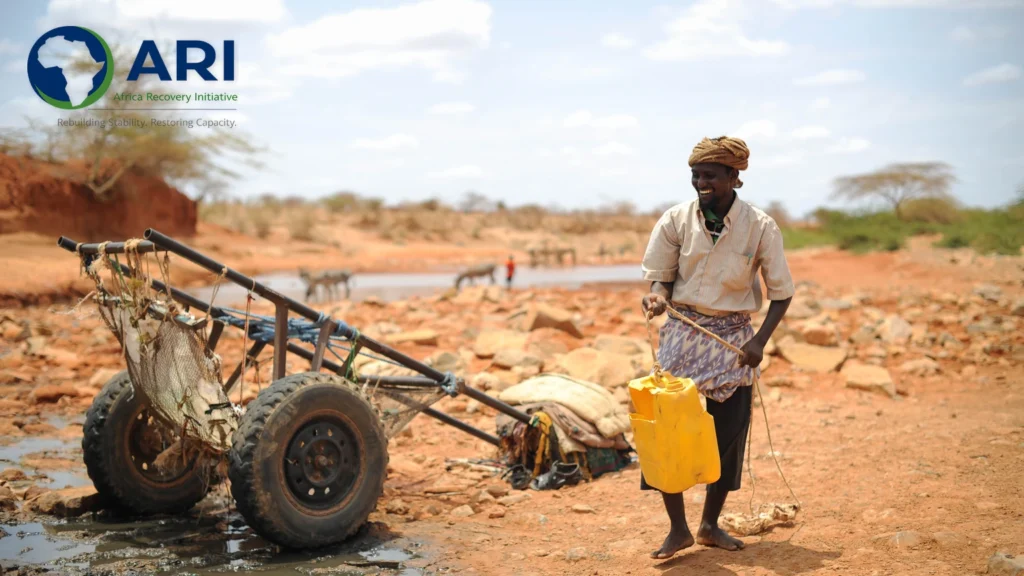
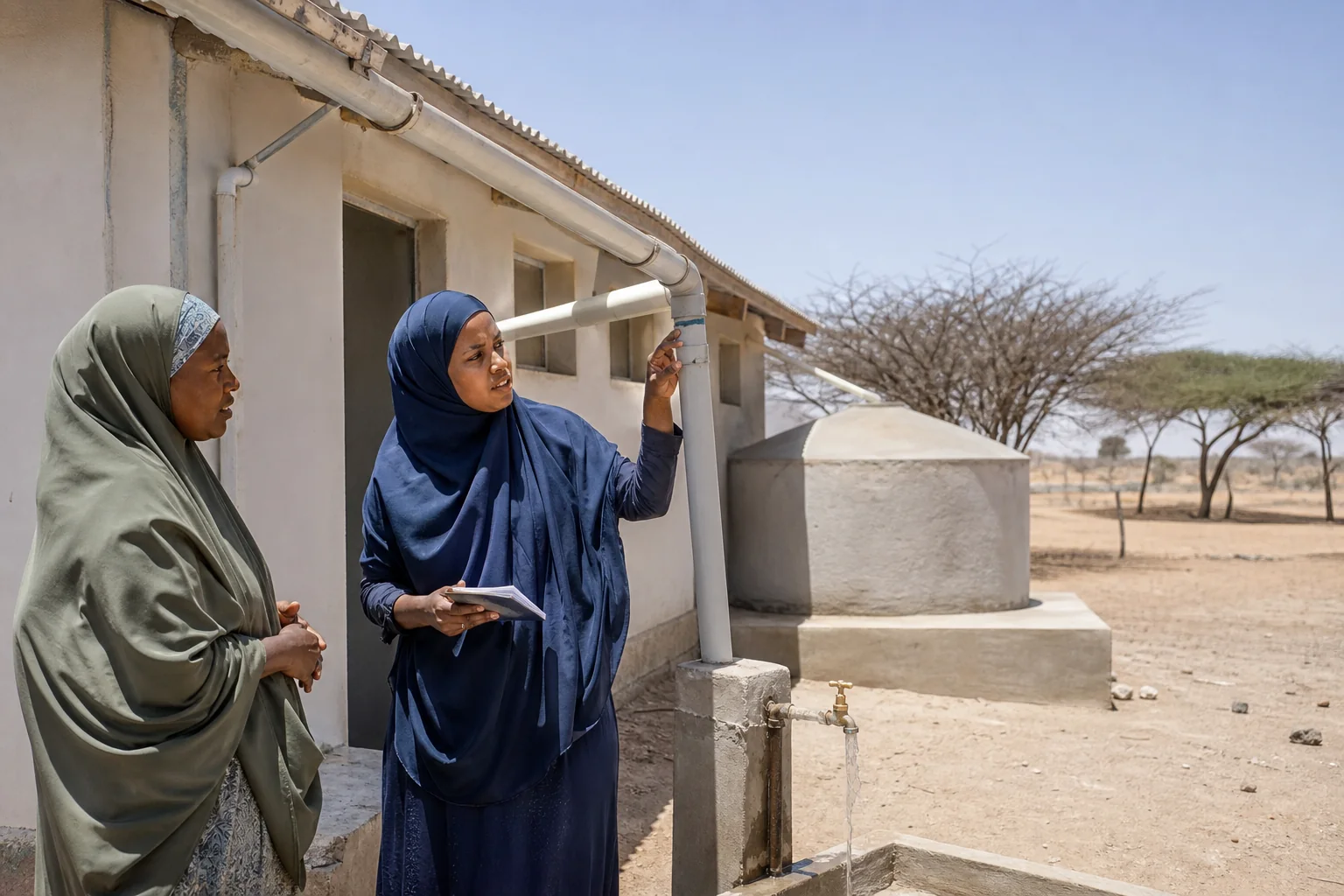
Community water management, groundwater wells, livestock water points and small-scale irrigation that reduce competition over a scarce and contested resource.
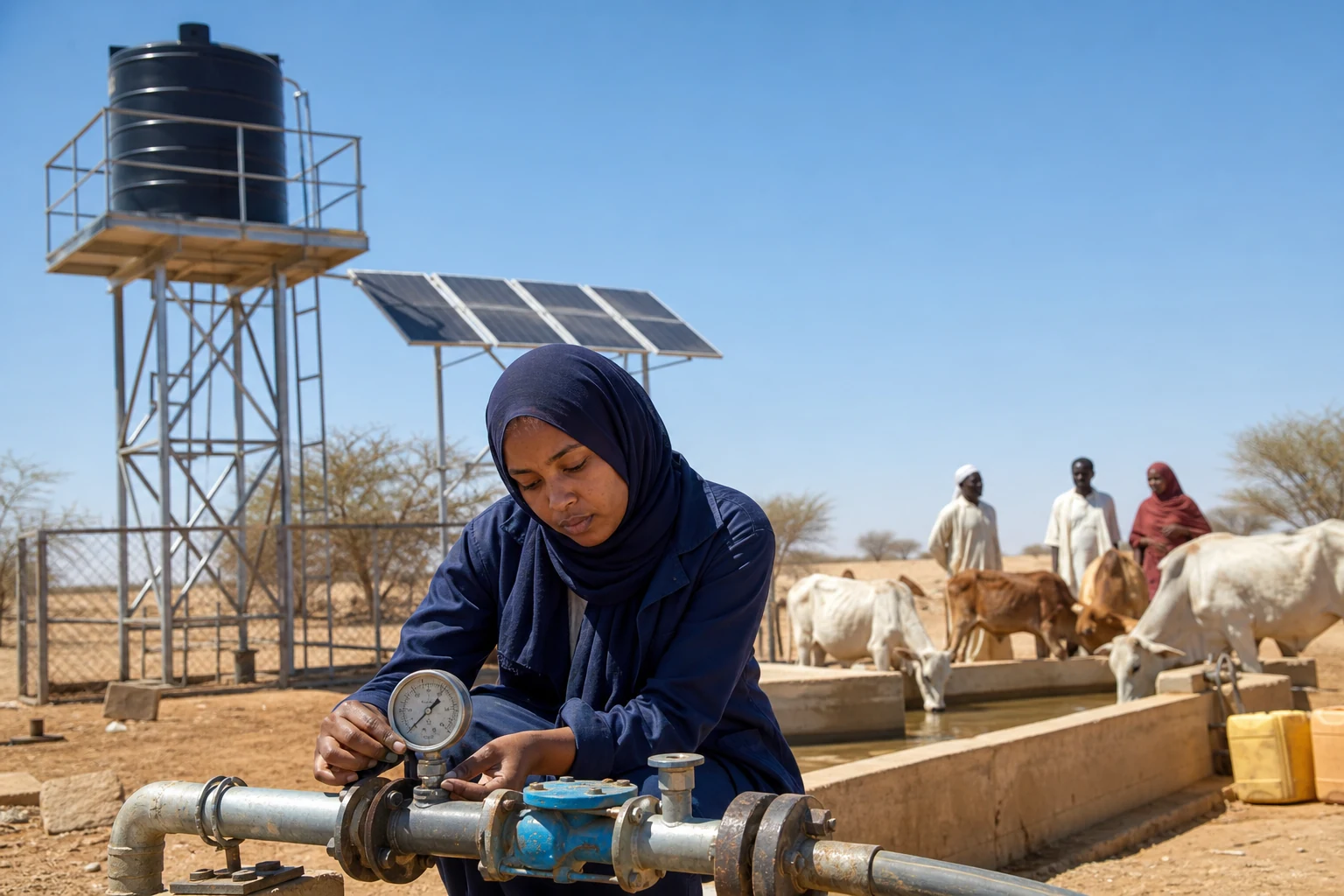
Solar systems that keep water points, clinics and schools functioning in areas the grid does not reach.
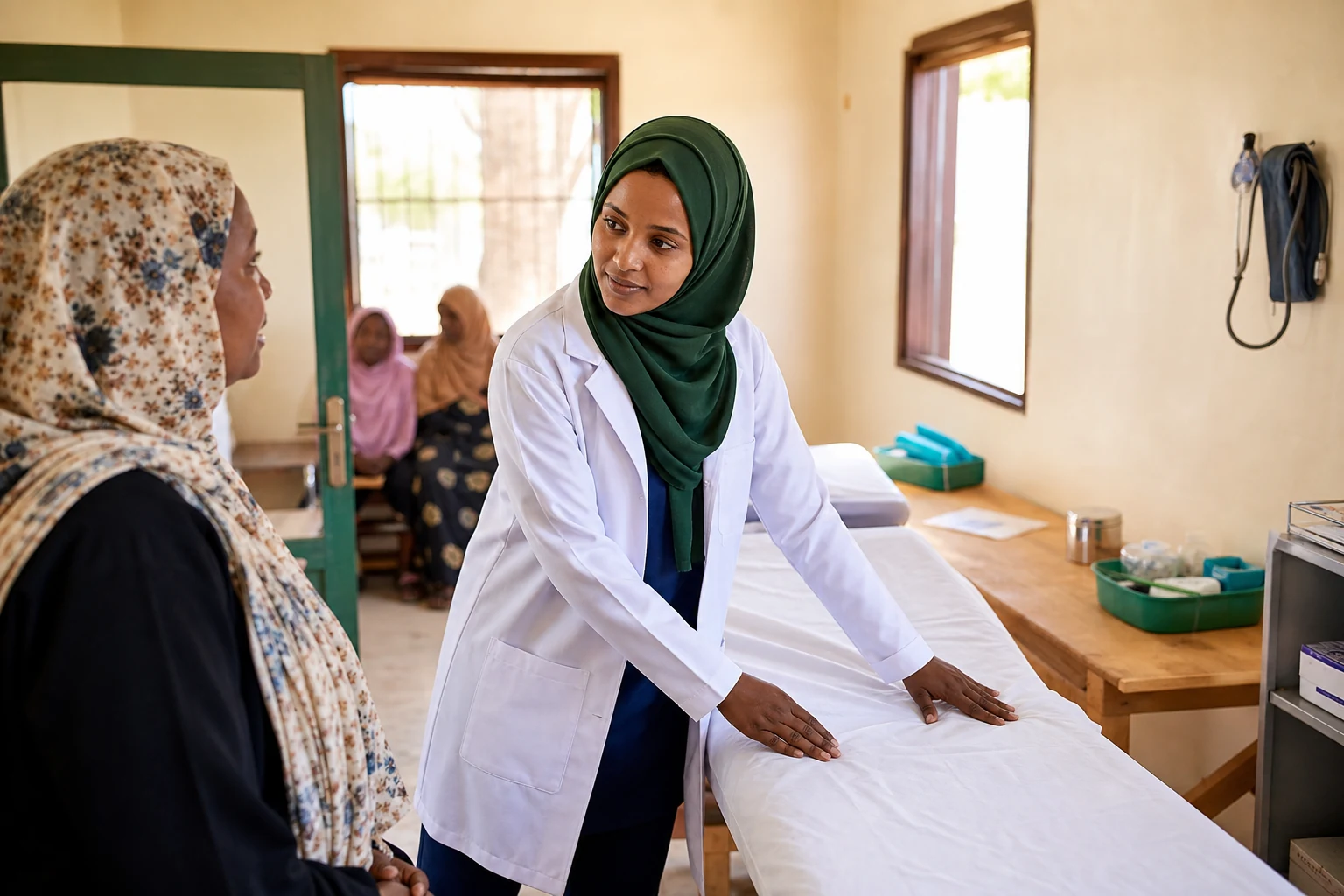
Rehabilitating clinics, equipping facilities and training frontline staff so that basic care is available — and equitably accessible across all community groups.
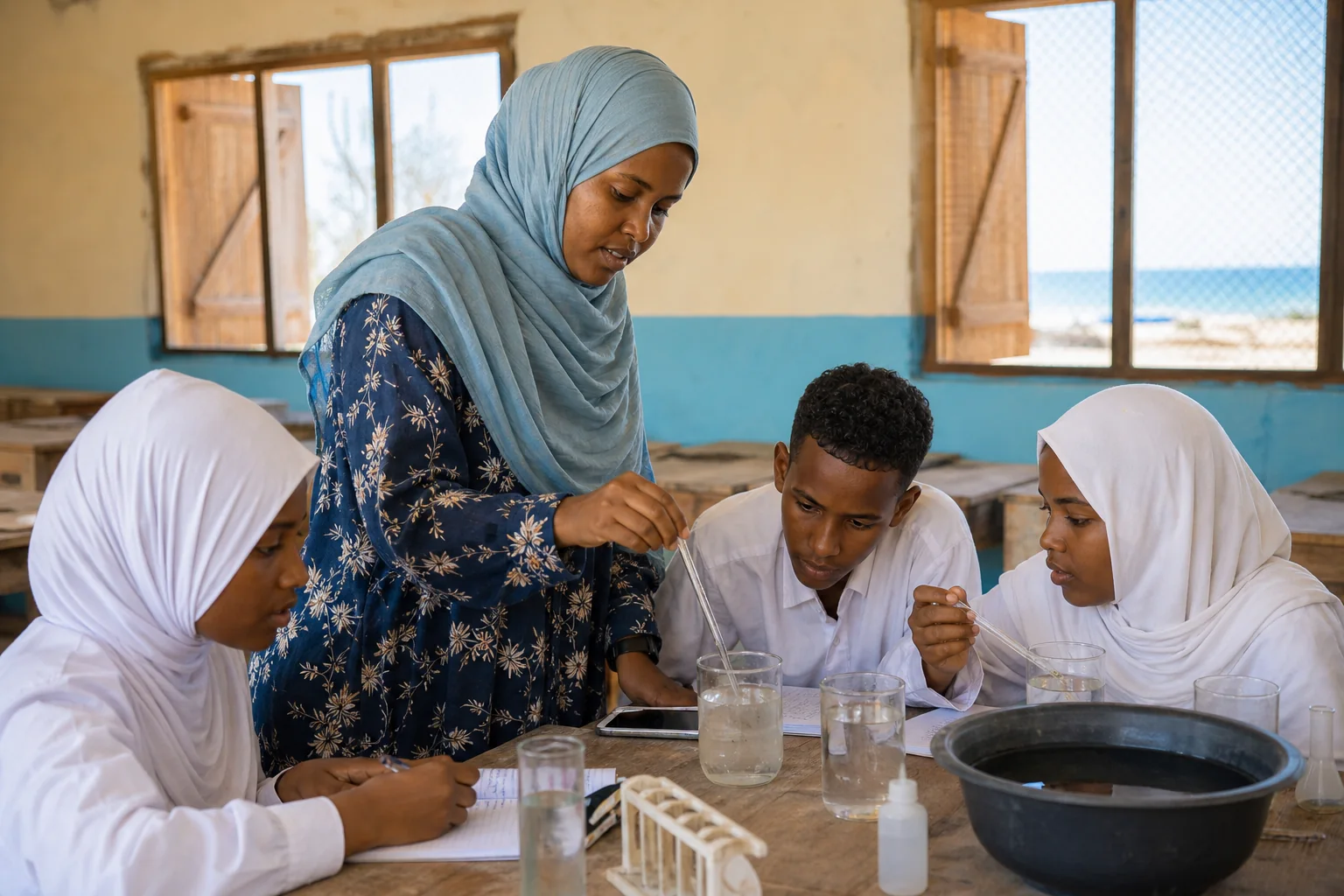
School rehabilitation, learning materials and teacher training to restore safe and effective learning environments.
Vocational and technical skills, pastoral and agricultural training, and capacity building for local councils and civil society organisations.
Our Targets
The figures below are the full-scale targets of ARI's flagship Integrated Pastoral Forest Project in North Kordofan, to be delivered across three phases between 2027 and 2030.
Full-scale project targets · not completed achievements
Fund a project
Choose the area of recovery you want to support. Every contribution is completed securely through ARI's donation page.
01
Environment & livelihoods
Demo dataHelp establish native trees, restore rangeland, protect grazing corridors and strengthen pastoral livelihoods in North Kordofan.
RaisedUS$ 8,250
02
Water & clean energy
Demo dataSupport groundwater wells and solar systems that keep clean water, clinics and schools operating where the grid does not reach.
RaisedUS$ 6,480
03
Essential services
Demo dataHelp rehabilitate clinics and schools, equip facilities and build the local capacity needed to keep essential services running.
RaisedUS$ 4,920
Current Projects
Flagship · Design complete
An initiative in line with the Great Green Wall project for the Sahel and Horn of Africa, our project will be implemented in North Kordofan, Sudan, Somalia and Chad, where 500,000 trees will be planted on an area of 20,000 hectares, in three phases between 2027 and 2030.
Read the full project
Programme line · In design
Well drilling paired with solar energy so that thousands of people gain reliable access to clean water, and the facilities that depend on it keep running. The intended outcome is a measurable reduction in water-borne disease alongside community-managed water governance.
See our approach
Programme line · In design
Rehabilitating clinics and schools, equipping them, and rebuilding the local administrative capacity needed to keep them running — delivered equitably across community groups so that restored services reduce grievances rather than reinforce them.
See our approach
Our Partners
ARI works through four categories of partnership, each governed by clear agreements that define roles, responsibilities and accountability mechanisms.
Implementing partners with community legitimacy and real operational reach on the ground.
Alignment with ministries — including the Ministry of Forests — ensuring policy coherence, scale, and programme continuity.
Contextual evidence for adaptive design, conflict analysis, and monitoring.
Flexible, multi-year funding that bridges humanitarian relief and durable recovery.
Get in touch
ARI invites development partners, donors, researchers and local civil society to join a coordinated, long-term effort to reconnect people, institutions and landscapes.
Collaboration network